
Advice Vault
A curated collection of the best GM advice from across YouTube, Substack, and the TTRPG community.
Runehammer's New Dice Sets and How To Use Them
In this video the creator invites viewers into the core tools they personally use for tabletop RPG play and DM prep, including both digital and analog resources, and also discusses a set of Rune Hammer original dice — why they like those tools, how they use them in session preparation and gameplay, and what makes them valuable for GMs and players alike.
Designing TTRPG Wound Systems | Design Discussions
In this video the creator walks through how to design wound and injury systems for tabletop RPGs, offering guidance for GMs and designers on crafting health and damage mechanics that go beyond traditional hit points so that injuries feel meaningful, influence play, and support richer narrative and tactical choices at the table.
Building an RPG: The 5 Mechanic RPG System
In “Building an RPG: The 5 Mechanic RPG System,” the creator walks through the idea of structuring a tabletop RPG around five core mechanics — showing how combat, movement, interaction, skills, and other systems should interlock to form a cohesive whole and explaining why thinking about your game’s mechanics as a balanced set of systems helps GMs and designers create more engaging and consistent play experiences.
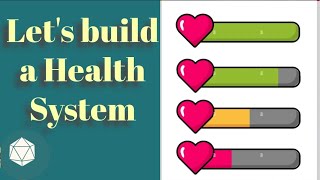
Let's Make a Health System
In “Let’s Make a Health System,” the presenter talks through what they consider the key elements of a tabletop RPG health system — how to structure hit points, wounds, and healing so that health has meaningful mechanical and narrative impact during play, discussing different ways to make damage and recovery interesting and engaging rather than just tracking numbers.

Why 3-mile hexes make HEXCRAWLS fun
The video argues that using 3-mile hexes for hexcrawl maps in tabletop RPGs makes exploration more engaging because that scale matches natural travel distances (about an hour’s walk) and gives players a clear sense of what they can see and encounter in the landscape; smaller hexes create more meaningful movement decisions, better pacing, and opportunities for varied terrain features, encounters, and narrative hooks in each hex, helping the GM design hexcrawls that feel immersive and rewarding rather than empty or arbitrary.

D&D Has 8 Types of Combat, Actually
The video explains that in Dungeons & Dragons there are eight distinct types of combat encounters, each with its own purpose and feel, and encourages GMs to think beyond simple “kill the monsters” fights by incorporating varied combat structures—such as objective-based fights, environmental challenges, social or defensive battles, and tactical scenarios—so that encounters feel more strategic, narratively engaging, and tailored to the story rather than repetitive or just stat blocks clashing

We Don’t Play Dungeons Like They Used To
The video reflects on how many modern D&D dungeon crawls can feel boring or pointless and suggests reviving the old-school practice of tracking time with “dungeon turns” so that every minute in a dungeon matters, encouraging resource management, tension from wandering monsters, meaningful wandering, and a stronger sense of pacing and decision-making that makes exploration more engaging and fun for both players and GMs